


The Science of Hydrotherapy
Why Heated Water Changes the Body


Why wellness Is More Than Relaxation
For centuries, civilizations have used heated water for recovery, healing, and renewal. Today, modern research confirms what ancient cultures intuitively understood:
Warm water changes the body at a cellular, circulatory, and neurological level.
This is not pure indulgence, it’s physiology.
Hydrostatic Pressure

When your body is submerged, water exerts hydrostatic pressure — a gentle, evenly distributed compression across your skin.
This pressure:
Improves venous return (blood flowing back to the heart)
Reduces peripheral swelling
Enhances circulation efficiency
Decreases cardiovascular workload compared to standing

Heat & vasodilation
Water temperatures in a spa (typically 100–104°F) trigger vasodilation — the widening of blood vessels.
Vasodilation:
Increases oxygen delivery to tissues
Accelerates nutrient transport
Assists in metabolic waste removal
Supports muscle recovery
Muscle Relaxation & Neuromuscular Reset

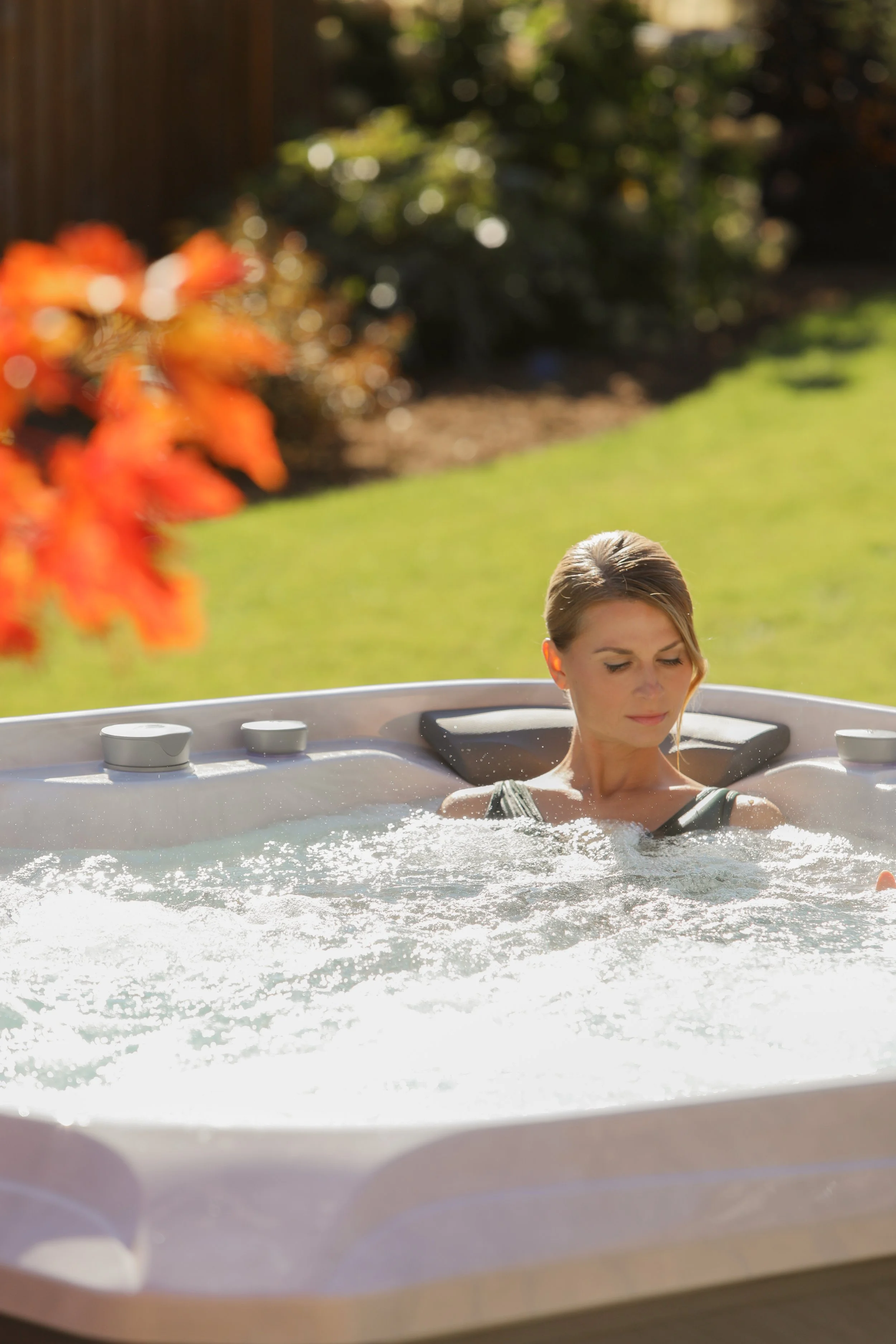
Warm water reduces gamma motor neuron activity — the neurological mechanism responsible for muscle tone.
This leads to:
Reduced involuntary muscle guarding
Decreased spasms
Lower joint compression
Improved mobility

Nervous System Regulation

Modern life keeps most people in a sympathetic dominant state — the “fight or flight” system. Warm immersion stimulates parasympathetic activation.
This shift:
Lowers cortisol
Reduces heart rate
Improves sleep quality
Decreases stress perception

Sleep & Hormonal Influence

A slight rise in core temperature followed by gradual cooling signals the body that it is time to rest.
Evening hot water immersion can:
Promote melatonin regulation
Improve sleep onset latency
Increase deep sleep quality

Joint Support Through Buoyancy
Movement in water becomes possible when it might be painful on land. Water reduces body weight load by up to 90% when fully submerged.
That reduction:
Decompresses joints
Lowers spinal loading
Allows pain-free range of motion
Supports arthritis and mobility challenges
THERMAL THERAPY & CONTRAST EXPOSURE
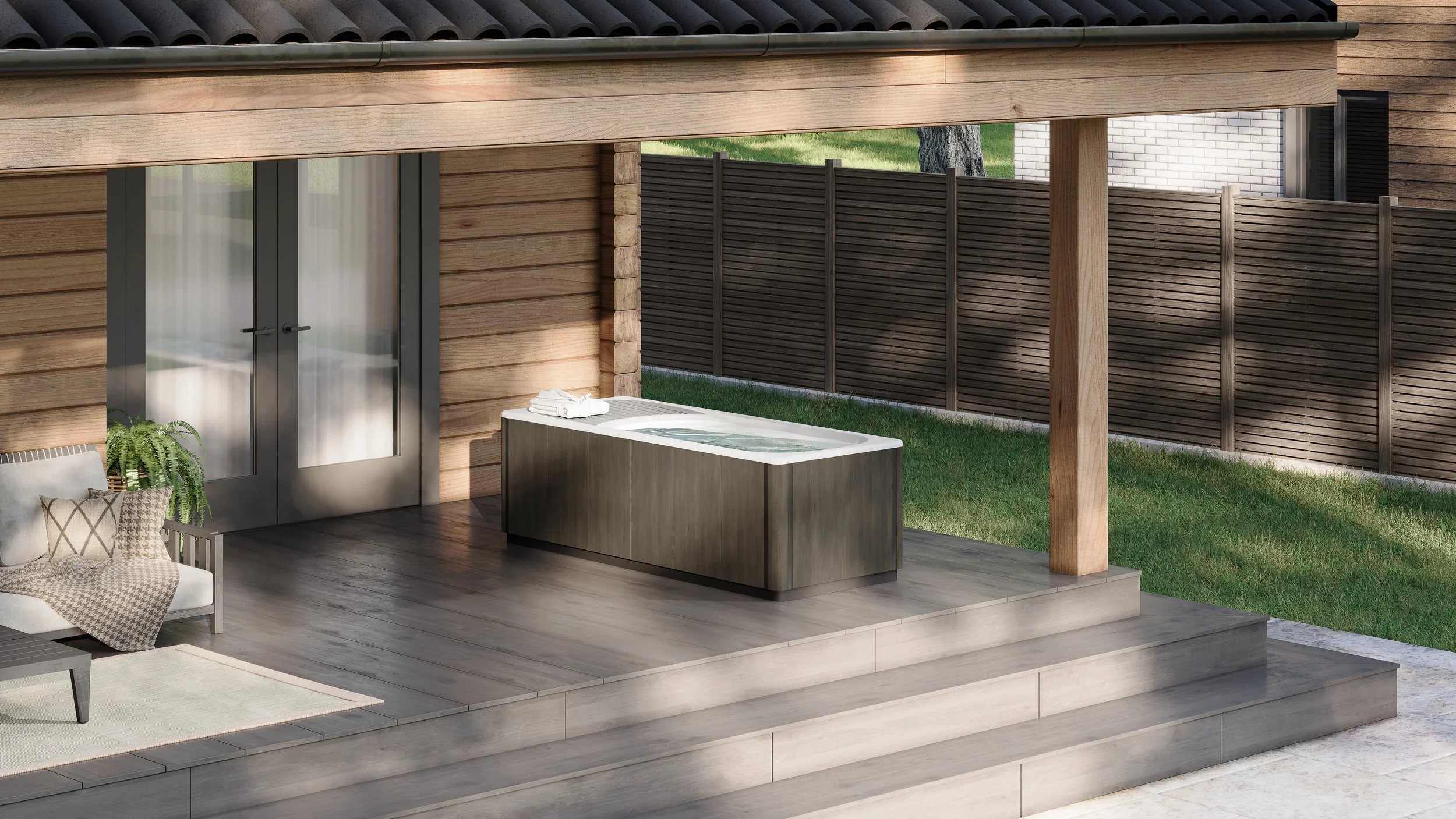
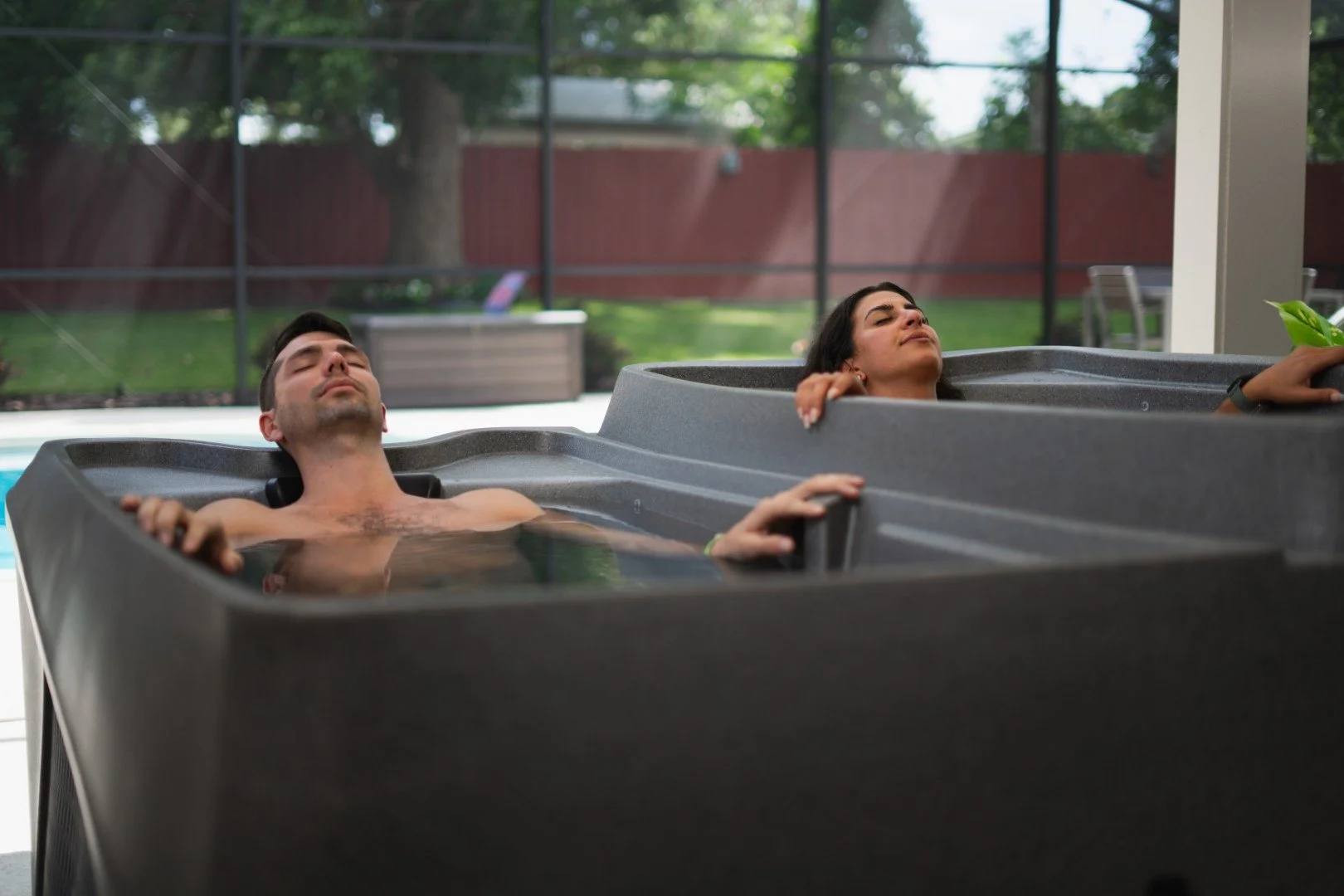
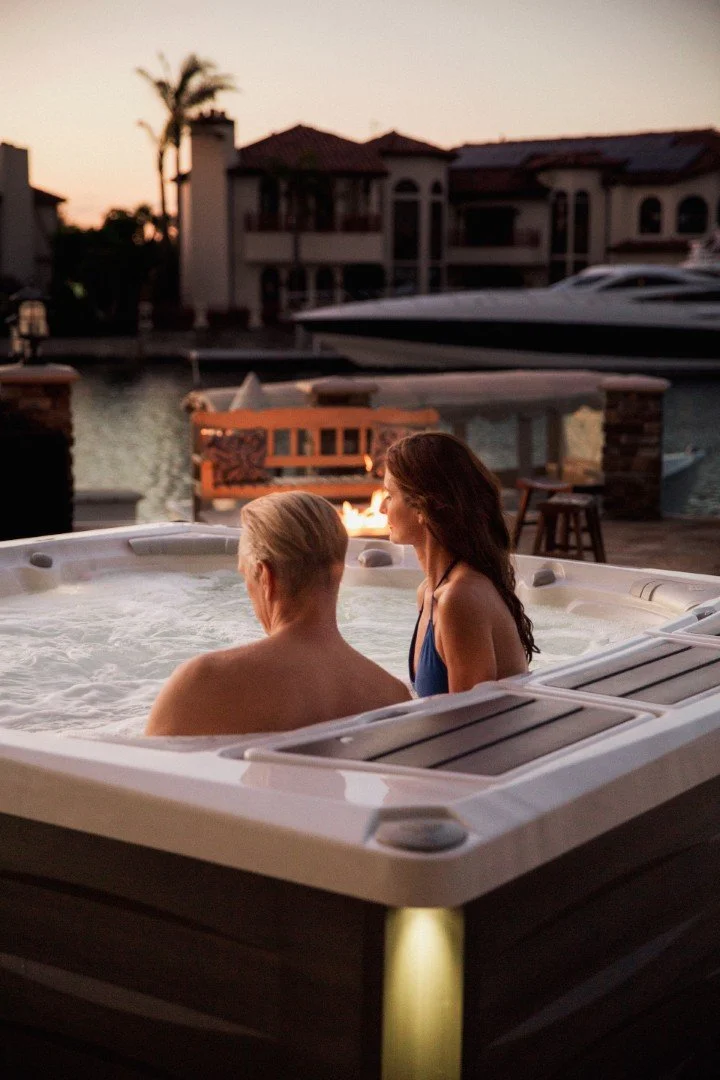
Cultures around the world have long practiced alternating between heat and cold to support recovery and overall wellness. Why?
Heat, such as soaking in a spa or relaxing in a sauna, causes blood vessels to dilate, increasing circulation, relaxing muscles, and encouraging the body to release tension. Cold exposure, like a brief cold plunge, produces the opposite effect: blood vessels constrict and the body activates its alertness response. When these two experiences are alternated, the body responds with a powerful circulatory exchange that can support recovery, reduce inflammation, and help regulate the nervous system.
Beyond physical recovery, contrast therapy may also improve resilience to stress. Heat promotes deep relaxation and parasympathetic nervous system activation, while short cold exposure can increase alertness and stimulate beneficial neurochemicals associated with mood and focus. Together, these opposing forces create balance—energizing the body while allowing it to recover more deeply.